



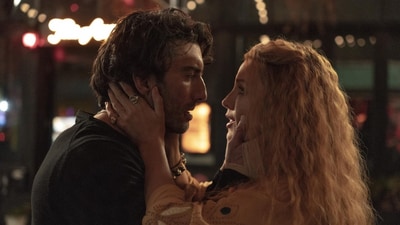
Blake Lively filed a complaint last Friday accusing her ‘It Ends with Us’ co-star and director, Justin Baldoni, of sexual harassment. The complaint also alleges that Baldoni’s PR team orchestrated a retaliatory smear campaign to damage Lively’s reputation and disrupt her business ventures.
Lively’s lawsuit also alleges that Baldoni was astroturfing, a manipulative strategy designed to create the illusion of “grassroots support” or opposition. Astroturfing derives its name from synthetic grass and involves creating a false sense of public consensus.
According to the complaint, Baldoni’s crisis PR firm, The Agency Group (TAG PR), orchestrated a social media campaign portraying Lively as “controlling” and “difficult” during the film’s production.
ALSO READ| Ryan Reynolds shows rare emotion after wife Blake Lively sues Justin Baldoni for sexual harassment
“I hope that my legal action helps pull back the curtain on these sinister retaliatory tactics to harm people who speak up about misconduct and helps protect others who may be targeted,” Lively told The New York Times.
PR expert explains what is astroturfing amid Baldoni allegations
Dr. Joan Donovan, a Boston University professor and expert on disinformation, told People Magazine, “It’s about faking a crowd. When social media accounts—whether fake or real—are coordinated to push a narrative, it’s astroturfing. These campaigns aren’t organic. They’re designed to look like genuine public opinion, but they’re completely manufactured.”
“It’s not just bots anymore. Real people are often paid or incentivized to post coordinated content,” Camargo explained. “This makes it harder to distinguish genuine engagement from fabricated campaigns.”
“Whether it’s corporate politics, sports, or even Hollywood, you’ll see astroturfing. For example, if you want buzz around a movie, you might pay people to show up at a theater or post on social media with a hashtag to get things going. Even though that sounds harmless, it’s still astroturfing,” the PR expert added.
Responding to the allegations, Bryan Freedman, Baldoni’s attorney, issued a statement on Monday, Dec. 23, defending the actions of TAG PR. “They operated as any other crisis management firm would when hired by a client experiencing threats by two extremely powerful people with unlimited resources,” Freedman said.
Baldoni’s legal team has also firmly denied the claims, describing them as “false” and “intentionally salacious with an intent to publicly hurt,” according to Freedman’s remarks.
Interestingly, Baldoni had appointed Melissa Nathan, a crisis PR manager who previously represented Johnny Depp, as well as publicist Jennifer Abel, during the release of his adaptation of Colleen Hoover’s bestseller.

