


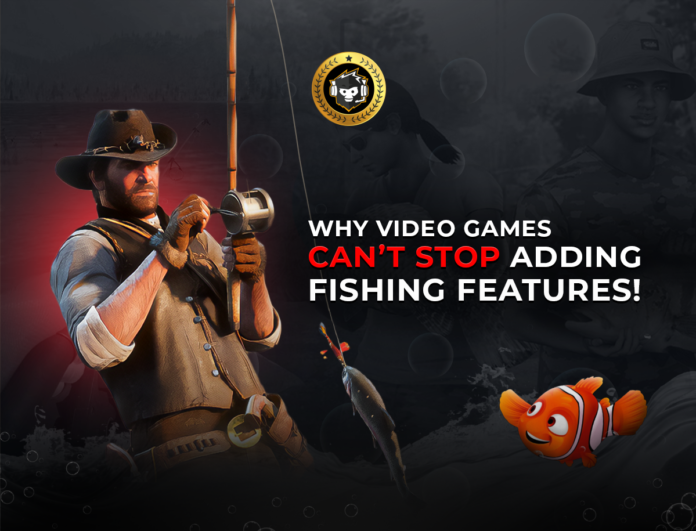
Fast forward to today, and fishing minigames have evolved into something far more engaging. Modern games like Final Fantasy XV and Stardew Valley have refined fishing into a skill-based activity, complete with varied mechanics, tension-based systems, and rewards that tie directly into the game’s larger progression. What was once a simple “wait and press” activity has transformed into a fully-fledged experience, often with dedicated fishing quests, upgrades, and even rare fish that challenge the player’s skill and patience.
Beyond just a fun distraction, fishing minigames offer something crucial to the overall gameplay experience: a much-needed break from the intensity of main objectives. In action-heavy titles, where players are constantly moving from one mission to the next, the threat of burnout is real. By design, these games push players to remain in a state of high alert, whether it’s through combat, exploration, or puzzle-solving. Fishing, on the other hand, provides a moment of escape—an opportunity to step back, relax, and disengage from the pressure of main tasks without completely leaving the game world.
This pause offers more than just relaxation; it invites players to appreciate the world around them. Whether it’s fishing by the coast of Yara in Far Cry 6 or casting a line in the shimmering lakes of The Legend of Zelda: Breath of the Wild, these minigames create a meditative space within the chaos. It’s a time to take in the sights and sounds, reflecting on the beauty of the game’s environment while engaging in a low-stakes activity. And yet, despite the calm, there’s still a sense of purpose—fishing isn’t idle wandering. There are rewards to be earned, whether it’s rare items, crafting materials, or currency, making the downtime both productive and enjoyable.
In many ways, fishing minigames serve as a kind of “reset button” for players. After spending hours completing quests, leveling up, or fighting tough enemies, the option to briefly ignore your responsibilities in the game and just go fishing feels like a gentle nudge to slow down and breathe. It’s a subtle but effective way for developers to balance pacing, allowing players to recharge before diving back into the action. Or is it?

