


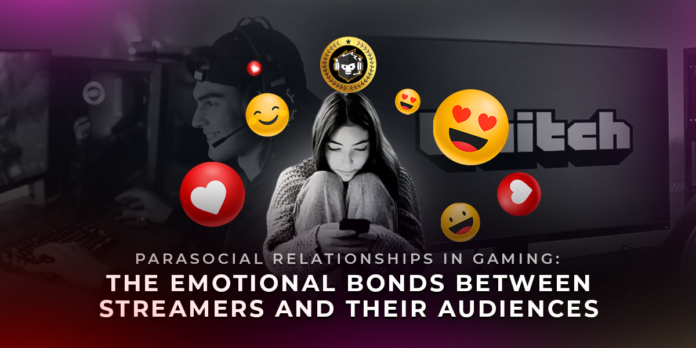
The Dynamics of Streamer-Audience Relationships
The interactive nature of platforms like Twitch, YouTube Gaming, and Facebook Gaming has created an environment where viewers can engage directly with streamers. Unlike traditional media, where the audience is passive, gaming platforms allow for active participation. Viewers can chat with the streamer, send donations or subscriptions that get acknowledged in real-time, and even influence the content by suggesting games or in-game actions. This interaction fosters a sense of closeness, making viewers feel like they are part of the streamer’s life and success.
Streamers often cultivate a persona that is either an exaggerated version of themselves or entirely fabricated. This persona can be relatable, funny, or even controversial, depending on what draws their audience. For instance, streamers like Darren “iShowspeed” Jason Watkins Jr. and Félix “xQc” Lengyel built entire brands around exaggerated personas, which in turn creates a strong following of fans who feel connected to the character as much as, if not more than, the person behind it. The more authentic or entertaining a streamer appears, the stronger the parasocial bond becomes.
Viewers often become emotionally invested in streamers, tuning in regularly to watch their favorite personalities play games, share stories, or even just chat with the audience. This emotional investment can be similar to that of a friendship or a crush, where the viewer feels a sense of loyalty and attachment. Some viewers go as far as financially supporting streamers through donations, subscriptions, or purchasing merchandise, further deepening the parasocial connection.
The reasons behind the formation of parasocial relationships with streamers are multifaceted. For many, it’s about community and belonging. Gaming can often be a solitary activity, but watching a streamer play a game while engaging with a community of like-minded fans creates a shared experience. This sense of community can be particularly appealing for individuals who may feel isolated in their personal lives.
Another factor is escapism. Streamers often provide an escape from the stresses of daily life, offering entertainment, humor, or even comfort. The consistency of a streamer’s schedule can also offer viewers a sense of stability, making them a regular part of the viewer’s routine, much like a close friend.
Streamer-fan relationships are inherently parasocial because, despite the interactive nature of platforms like Twitch, the relationship remains largely one-sided. Streamers may acknowledge individual viewers, respond to comments, and even share personal stories, but they do so within the framework of performing for an audience. The connection felt by viewers often stems from their perception of intimacy and closeness, which is cultivated through regular interactions, personalized responses, and the streamer’s on-screen persona.
Streamers often read out and respond to viewer comments, making viewers feel seen and valued. However, these interactions are still limited to the public sphere, and the streamer does not form a reciprocal relationship with individual viewers. Streamers might offer exclusive content or perks to subscribers like members-only content, exclusive Discord channels, play sessions, or subscriber-only giveaways which end up, creating a sense of belonging among those who support them financially. This can deepen the parasocial bond, as subscribers may feel they have a special connection with the streamer that others do not.

